Load securing for vans —
secure your load in line with the law!
Under emergency braking a multiple of the load weight comes into play. With the ProSafe system you secure tools, material and machines to standard — with lashing points, straps, tensioning bars and nets that work together. Advice and retrofitting directly in our workshop in Essen.

Form fit and friction fit — the two routes
A load is either placed without gaps against solid surfaces (form fit) or pressed onto the load bed with straps (friction fit). Form fit is faster in everyday work because no strap has to be tensioned; friction fit is indispensable for heavy individual items. In most vehicles the two work together — we determine which points, rails and securing devices are needed for that.
Section 22 of the German Road Traffic Regulations (StVO) applies to every journey — including the short run to the building site.


Product overview: ProSafe load securing
One system — many securing devices
All ProSafe components work together: whatever is anchored in the floor takes straps, bars and nets without tools. That way you secure any load in seconds.

SoboPro floor
- The basis of securing: Coated load floor with integrated lashing rails — non-slip and robust.

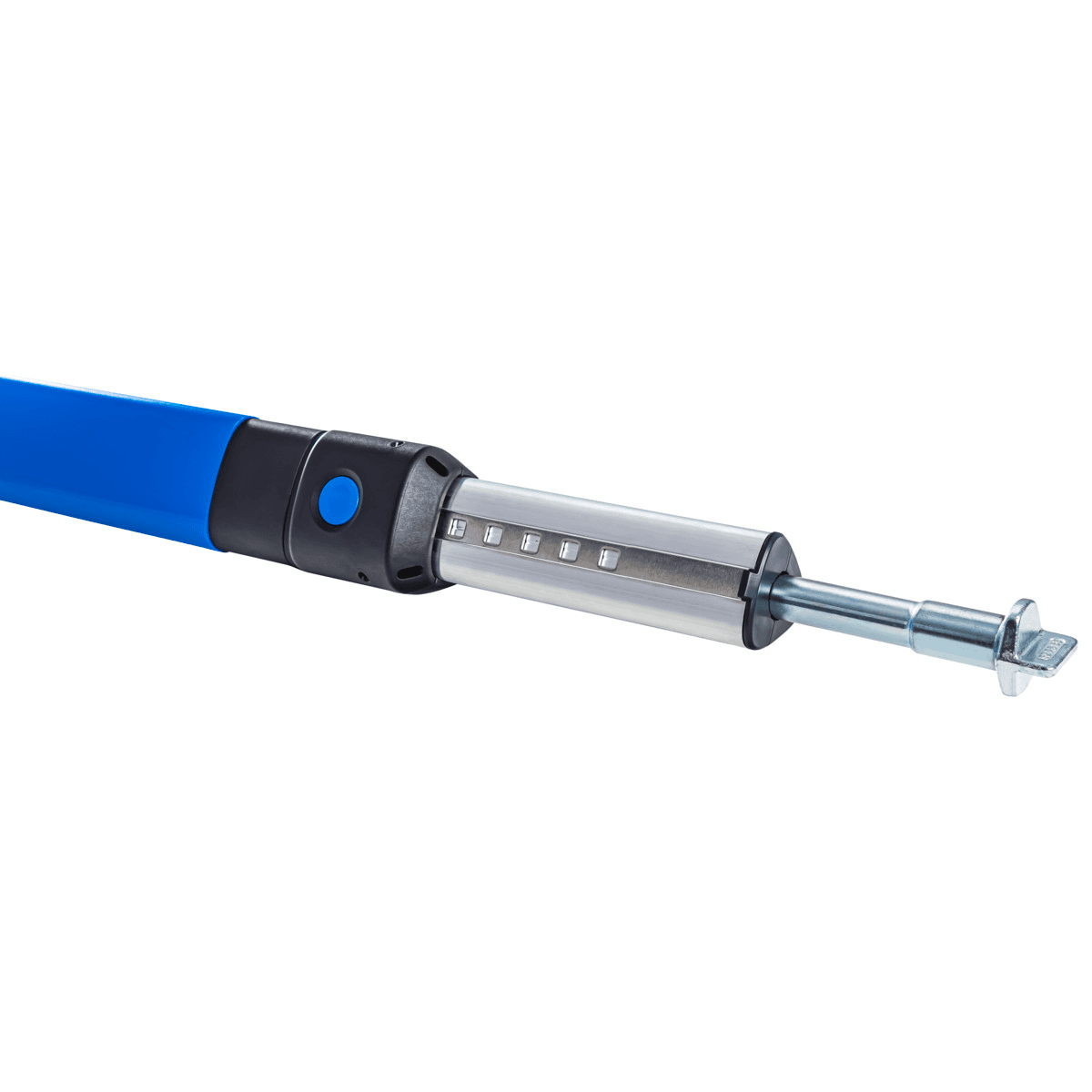
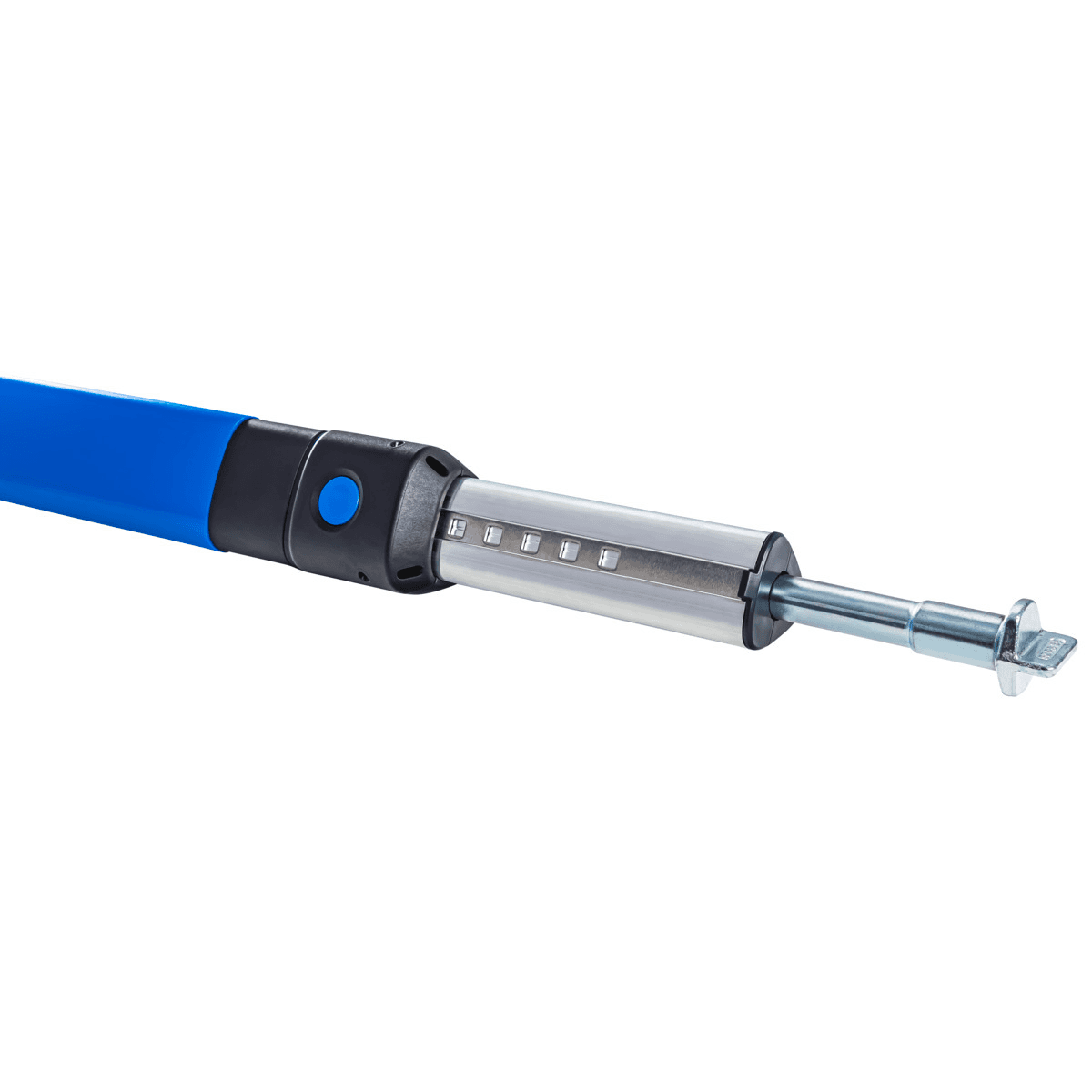
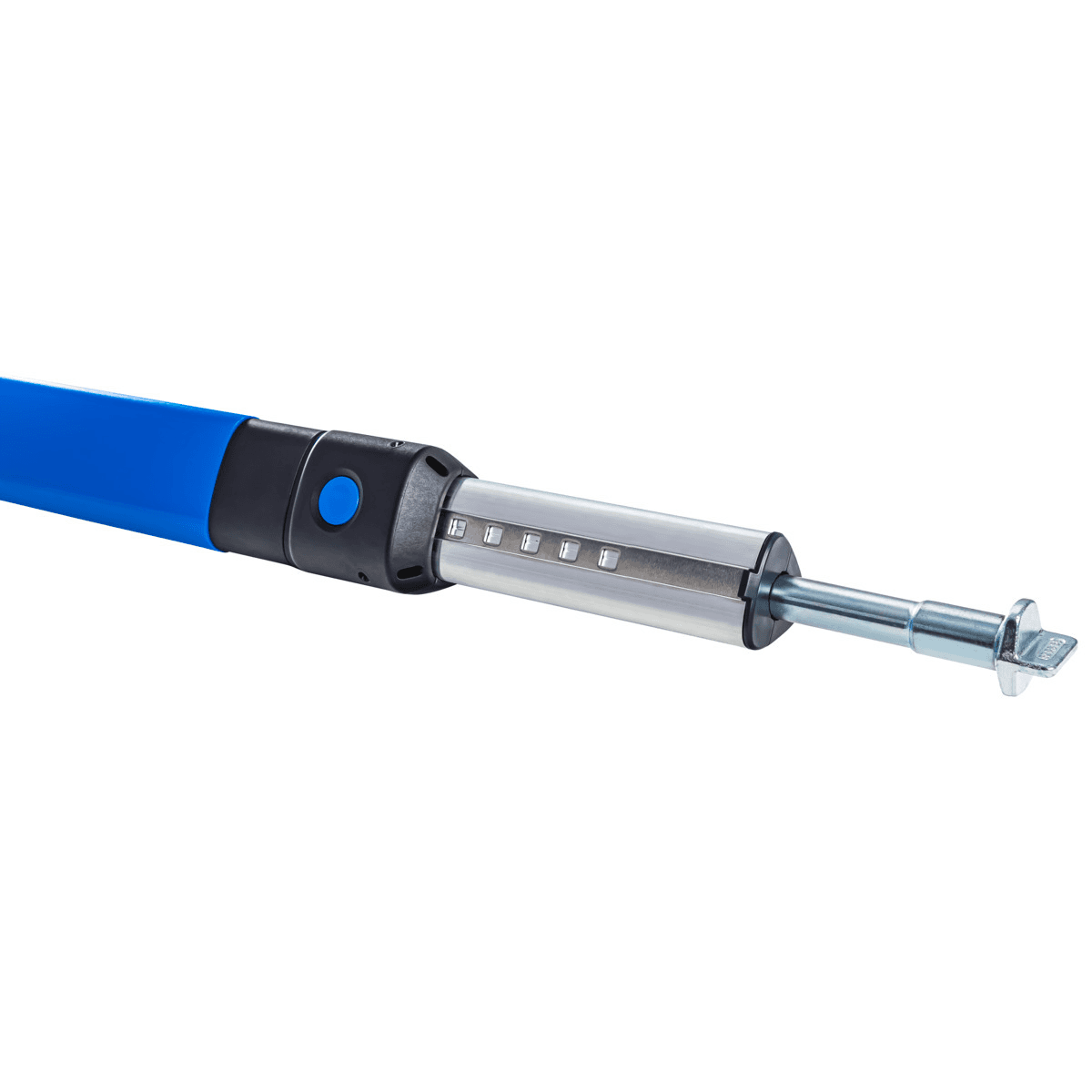
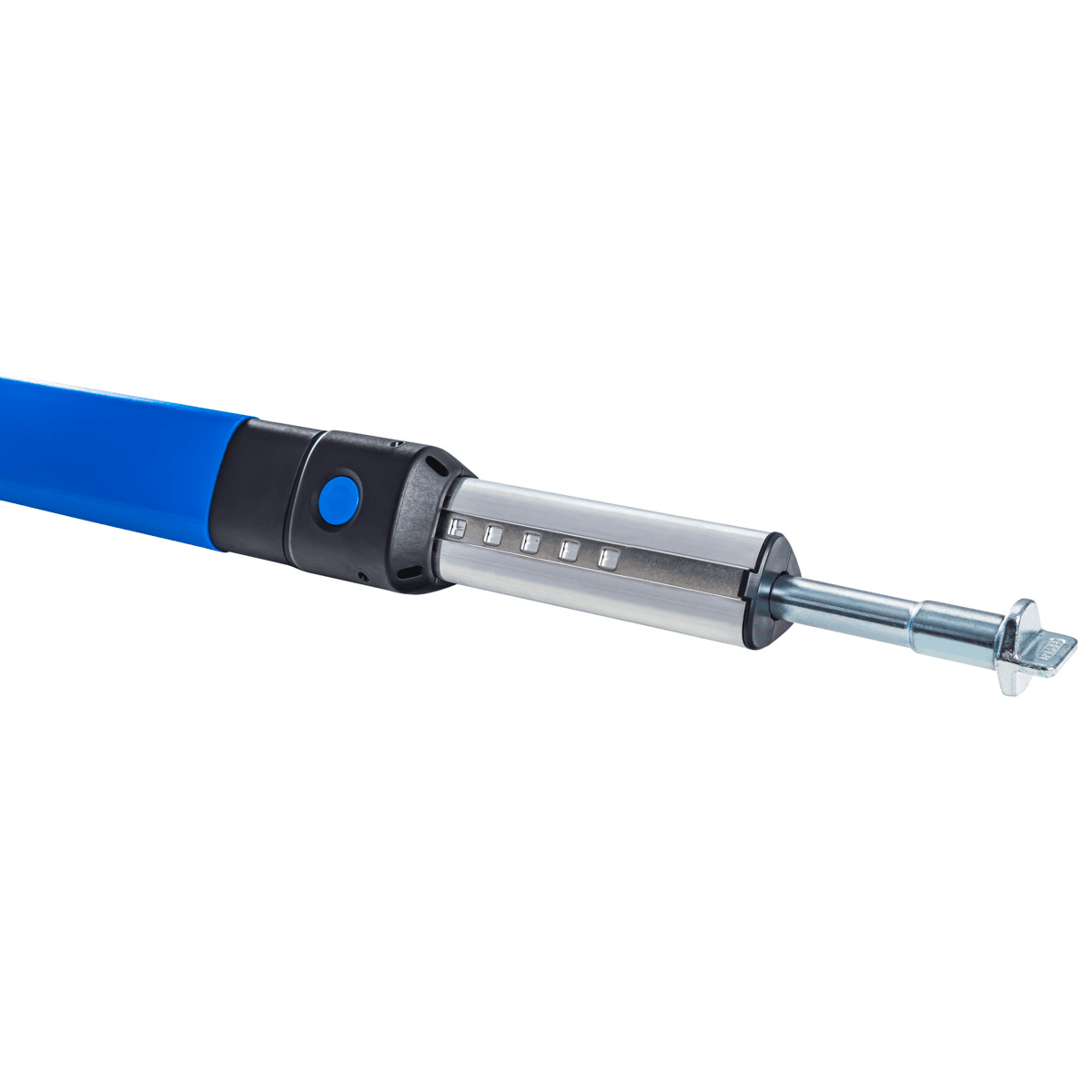
Telescopic tensioning bar
- Form-fit in seconds: Infinitely extendable — secures large items without strapping effort.

Tensioning bar set
- For changing loads: Several bars create compartments and levels in the load space.

Lashing rails
- Flexible anchor points: Airline rails for floor and wall — fittings can be positioned freely.

Lashing straps
- Tested force: Ratchet and cam buckle straps to EN 12195-2 in several strengths.

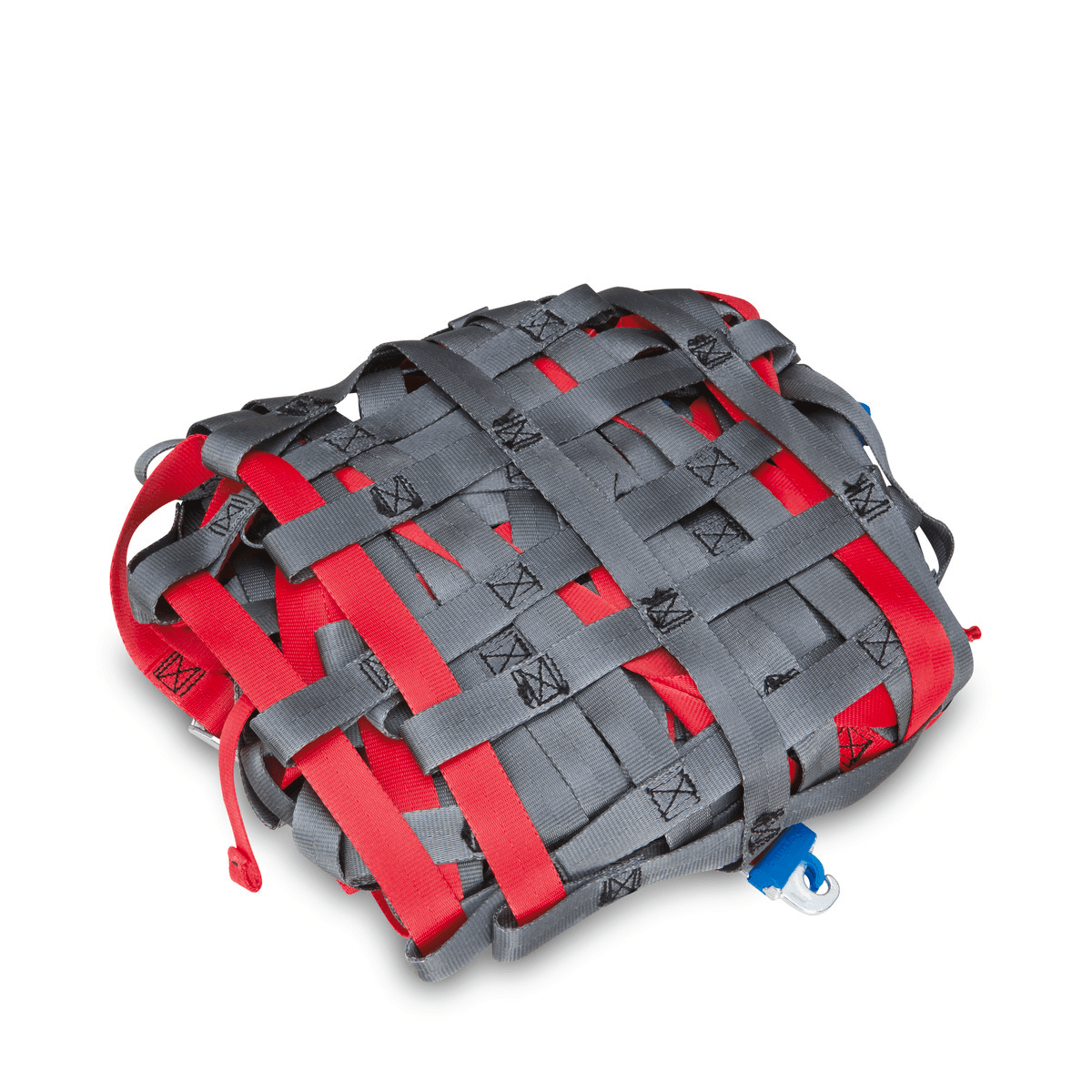
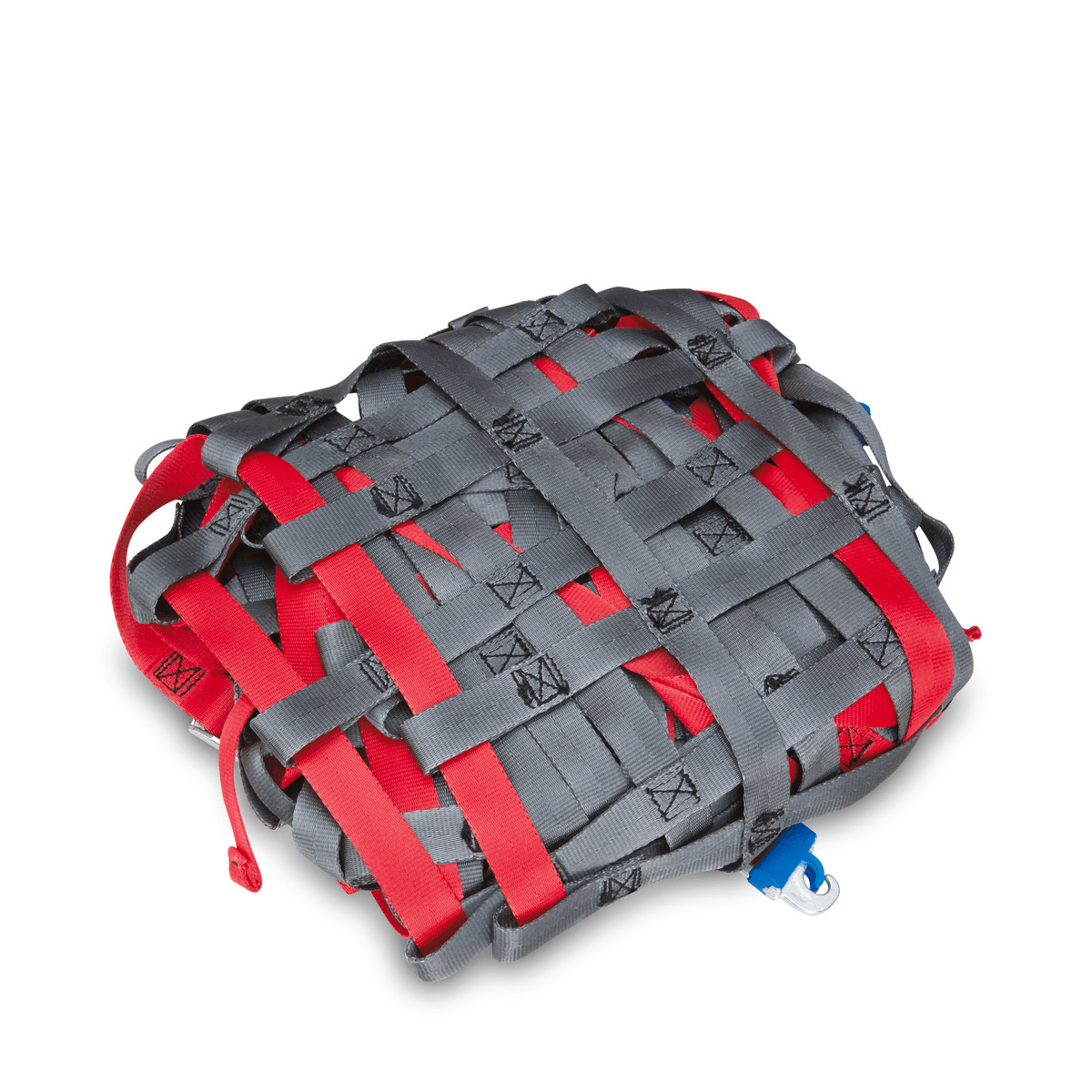
Securing nets
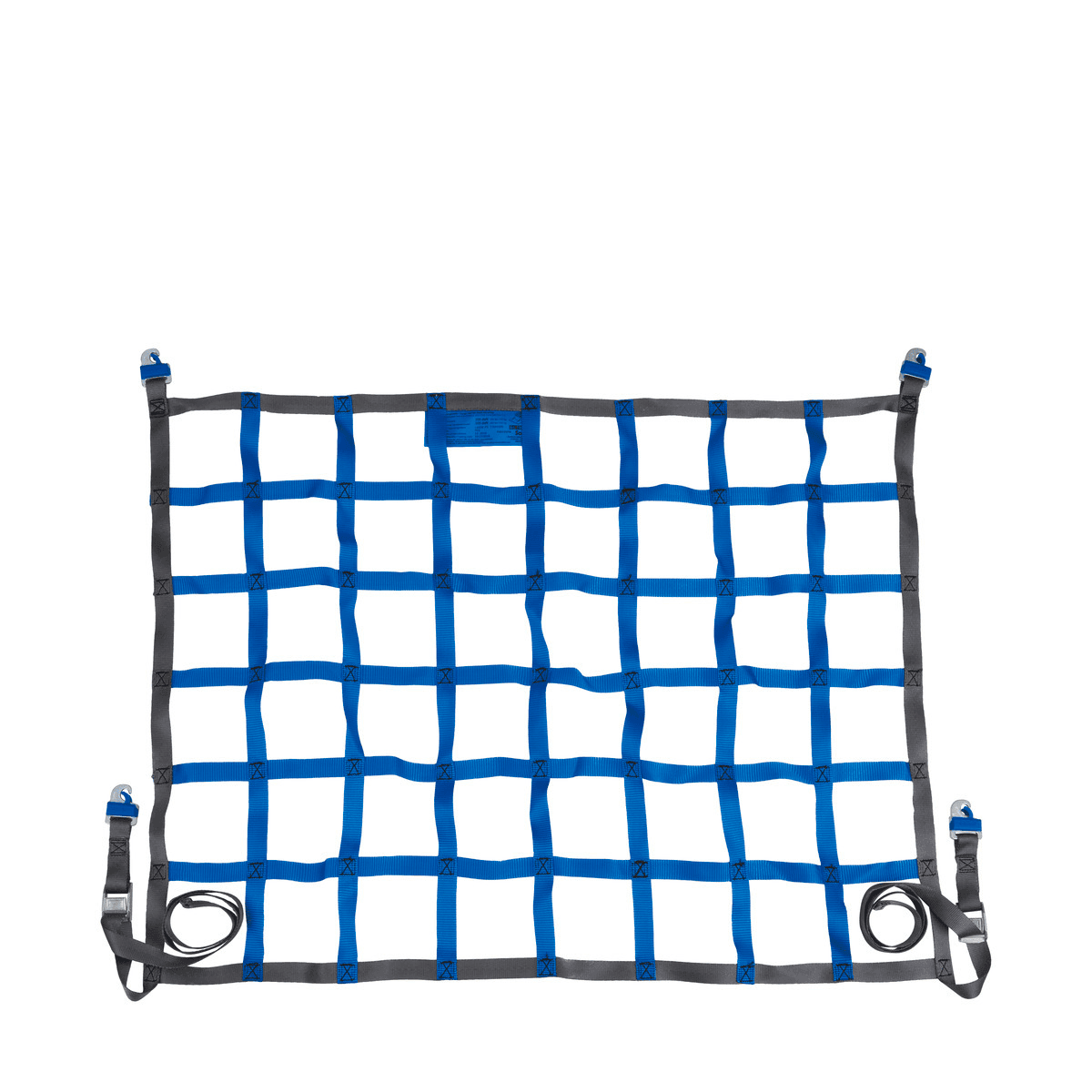
- Small loads under control: Elastic nets with hooks — quickly tensioned, securely held.
Lashing rails and lashing points: The basis without which no strap holds
Airline rails in the floor and on the wall.
Any securing is only as good as its anchor point. Airline lashing rails in the load floor and on the wall take fittings at any position — so the lashing point sits where the load is, instead of the other way round. In addition to the rails we use the vehicle's standard lashing eyes and, where present, the ProSafe points in the shelf frame. Installation is carried out at load-bearing points of the body; the drill holes are sealed against corrosion.
Freely positionable
Fittings can be placed along the rail wherever the load needs them.
Matching forces
Point and strap are matched to each other — the weaker of the two determines the result.
Retrofittable
Vehicles without factory rails can also be properly equipped.
Corrosion protection
Every drill hole is sealed — important especially with leased vehicles.
Divider and anti-slip mat: Two simple building blocks with a big effect

The divider is the most stable surface in the load space and therefore the natural stop for loading form-fit towards the front — at the same time it protects the cab. What it does not do: it prevents neither sideways movement nor tipping over. Anti-slip mats in turn increase the friction between load and load bed and thereby improve every lashing, but they do not replace it. Both building blocks are inexpensive, quickly implemented and worthwhile in almost every vehicle.
The divider as a stop
Load heavy items flush against the divider — that is form fit with no extra effort.
Secure sideways as well
Secured at the front does not mean secured at the sides — that is where bars or straps come in.
Mat under heavy items
Increased friction makes lashing more effective and prevents movement in bends.
Panel protection included
A coated load floor additionally protects the sheet metal and makes cleaning easier.
Blocking bars and nets: For loads that change every day
Where the load looks different every day, blocking bars and nets are the fastest solution. The telescopic tensioning bar braces in seconds and holds the load form-fit in place without a strap having to be tensioned. Nets hold back light small loads, luggage and loose containers. For heavy machines and individual items, lashing straps over load-bearing points remain the right choice — the bar complements them but does not replace them.
Set in seconds
Position, extend, fix — operable with one hand too.
Create compartments
Several bars divide the load space into areas for different loads.
Load protected
Rubberised ends hold securely without damaging vehicle or load.
A net for the loose bits
Whatever would otherwise roll around the load space stays behind the net.
Key load securing regulations at a glance
Section 22 of the German Road Traffic Regulations (StVO) obliges drivers and operators to secure loads so that they stay in place even under emergency braking and evasive manoeuvres. This is what that involves:
Intact securing devices
Check straps, nets and rails regularly for damage and replace them.
Stable loading
Heavy items low down and against the bulkhead, gaps filled form-fit.
The right securing system
Choose securing devices to suit the load — strap, bar, net or a combination.
Roadworthiness
Visibility, lighting and permissible weights must not be impaired by the load.
Sufficient ventilation
Transport hazardous materials and operating fluids separately and ventilated.
A documentable standard
For fleets, a consistent and documented securing concept is recommended.
Tensioning bars for load securing

The telescopic tensioning bar braces itself between floor and roof or between the walls — and holds the load form-fit in place. No straps, no knots: position, extend, fix. Ideal when the load changes every day.
Four characteristics make the tensioning bar the most versatile securing device in the load space:
Protection for the load
Rubberised ends hold securely without damaging vehicle or load.

Maximum safety
High holding forces through bracing against load-bearing surfaces.

Flexible use
Infinitely extendable — fits every load space and every direction.

Easy to use
Operated with one hand — secured in a few seconds.

More Load securing at a glance

Integrates directly into your van racking
ProSafe lashing points sit directly in the Sortimo shelf and in the load floor — securing is part of the system instead of being screwed on afterwards.
Compatible with original lashing points
Straps and fittings also use the standard lashing eyes of your vehicle — one strap system that fits everywhere.

Continuous right up to the roof
With the TopSystem roof rack including ProSafe rail you secure long goods on the roof with the same straps.
A securing concept instead of individual parts — advice in Essen
Buying straps is easy; a sound concept needs a look inside the vehicle. We look at what you typically transport, where the load sits and which anchor points are available. From that follows where rails and points are retrofitted, which strap strength suits them and at which points form fit can replace the strap. The retrofitting takes place in our workshop in Essen and usually takes no longer than half a working day.
A consistent standard for the fleet
With several vehicles a consistent concept pays off: the same points, the same straps, the same movements. Then securing also works when someone drives a different vehicle at short notice — and it can be documented for the business.
Secure, individual load securing with ProSafe
Which type of securing is right depends on the load and the vehicle — usually it is a combination. The two basic principles at a glance:
Form-fit load securing
The load rests without gaps — against the bulkhead, dividers or tensioning bars. In everyday work the fastest method, because no strap has to be tensioned.
Friction-based load securing
Lashing straps press the load onto the load bed and increase friction. Important: tested straps, load-bearing lashing points and a non-slip underlay.
Advice and retrofitting in Essen
We look at the vehicle and typical load, recommend the right combination and properly retrofit lashing rails and system points — usually within half a working day.
Lashing rails and airline profiles: why the anchor point decides
A strap only holds as much as the point it hangs on allows. Airline lashing rails in the load floor and on the wall solve the problem that standard lashing eyes are rarely where the load actually sits: fittings can be positioned freely along the rail and moved without tools. What matters is that point and strap match each other — the weaker of the two determines what the connection carries. When retrofitting we install the rails at load-bearing points of the body and seal the drill holes against corrosion.
The divider: cab protection, but not complete securing
The divider is the most stable surface in the load space and protects the cab under emergency braking — which is why it is the first building block in many vehicles. It does not, however, replace load securing: a load placed flush at the front is secured form-fit, but the divider does not prevent sideways movement or tipping over. In practice it is therefore combined with blocking bars across the direction of travel or with lashing straps over floor points, depending on how heavy and how variable the load is.
Using anti-slip mats correctly
Anti-slip mats increase the friction between load and load bed and thereby make every lashing more effective — they are one of the cheapest building blocks there is. What they cannot do: replace a lashing. A machine standing only on a mat is not secured. The mat therefore always makes sense as a supplement: under heavy individual items, under palletised goods and everywhere a coated load floor on its own would be too smooth. It should be clean and undamaged, otherwise it loses its effect.
Blocking bars for changing loads
Telescopic blocking bars are the means of choice when the load changes daily and nobody has time to tension straps for every journey. The bar braces between floor and roof or between the side walls and holds the load form-fit in place; rubberised ends protect vehicle and load as it does so. Several bars divide the load space into areas so that different loads stay separate. For heavy individual machines the lashing strap over a load-bearing point remains the right choice — the bar complements it.
Products from this system range
View all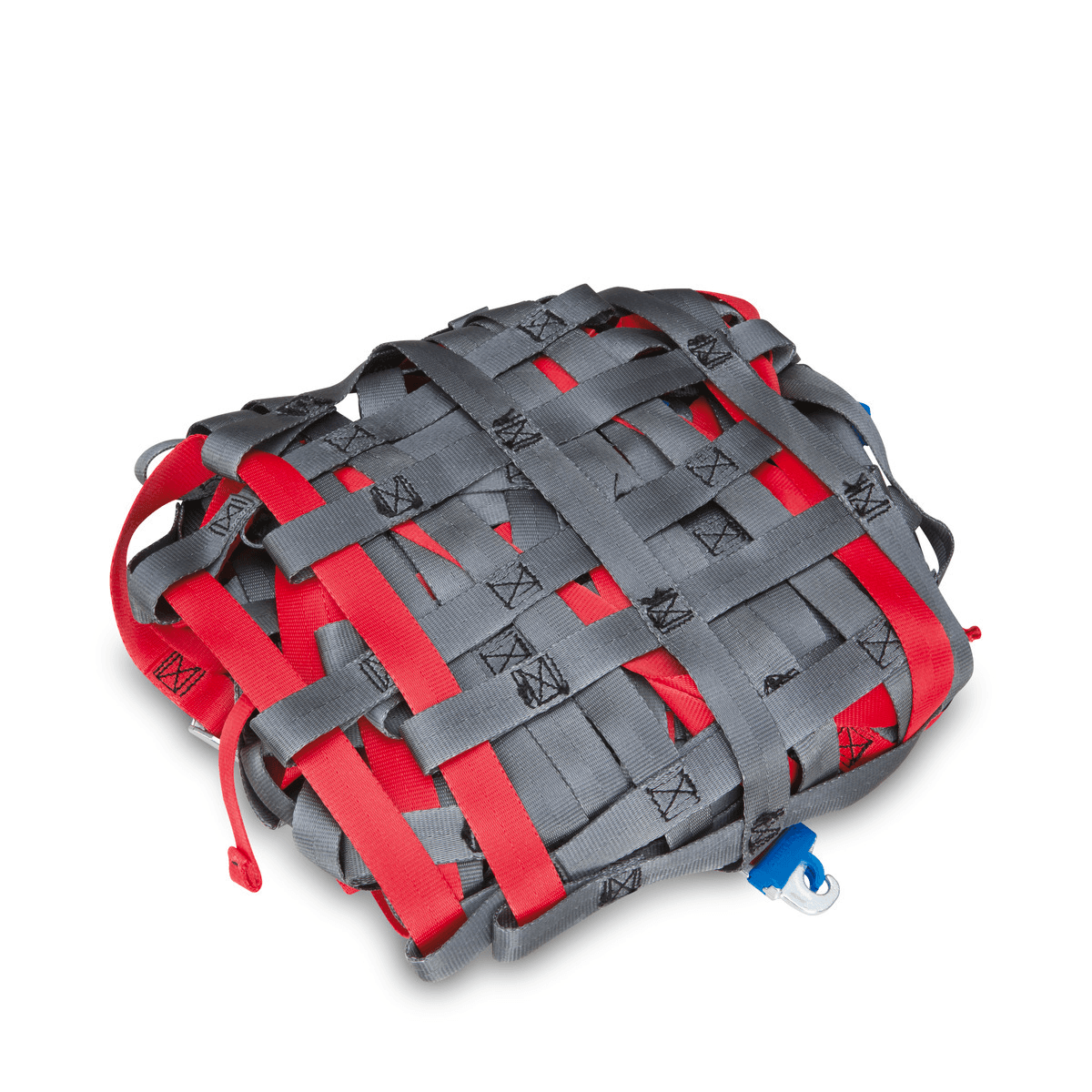
When Load securing is the right choice
What the system is built for
- Vehicles with a load that changes daily, where fast form-fit securing counts
- Businesses that regularly transport heavy machines and equipment
- Fleets that need a consistent, documentable securing standard across all vehicles
- Vehicles with existing Sortimo racking — ProSafe points are already in the shelf frame
- Transport of long goods, pipes and battens that requires holders instead of loose stacking
- Vehicles where only the standard lashing eyes are used so far and points are missing
Where it is not the best solution
- As a substitute for loading properly: if heavy items sit high up or far back, even the best securing device only helps so far
- Anti-slip mats on their own — they increase friction but do not replace lashing
- Securing nets for machines and heavy individual items: nets hold back small loads, no more
- Lashing points on the shelf frame for heavy individual machines — the points in the floor and body are provided for that
- Fitting lashing rails yourself without checking the body: a point only holds as much as the sheet metal it sits in
- Continuing to use damaged straps: with broken threads, cuts or an illegible label a strap is replaced, not repaired
Load securing compared
| Securing device | Principle | Strength | Limit |
|---|---|---|---|
| Lashing strap over a lashing point | friction fit | high holding force, suitable for heavy individual items | takes effort to apply, only works with sufficient pre-tension |
| Telescopic tensioning bar | form fit | set in seconds, ideal when the load changes daily | needs load-bearing surfaces to brace against |
| Divider / bulkhead | form fit | protects the cab, takes the load at the front | does not prevent sideways movement |
| Securing net | form fit, restraining | quickly tensioned, good for small loads and luggage | not sufficient for machines and heavy individual items |
| Anti-slip mat | friction-increasing | easy to use, improves every lashing | on its own not load securing |
| Shelving with trays and pull-outs | form fit | secures the basic stock permanently with no effort | not designed for heavy individual machines |
Technical data and key figures
- Basic principles
- form fit (loading without gaps) and friction fit (lashing down) — in practice usually combined
- Lashing rails
- airline rails for floor and wall, fittings positionable anywhere along the rail
- Lashing points
- ProSafe points in the shelf frame and in the load floor, plus the vehicle's standard lashing eyes
- Lashing straps
- ratchet and cam buckle straps to EN 12195-2 in several strengths
- Marking
- every strap carries a label with the permissible forces — it must remain legible
- Telescopic tensioning bars
- infinitely extendable, brace between floor and roof or between the walls, with rubberised ends
- Securing nets
- elastic nets with hooks for small loads, luggage and loose containers
- Load floor
- coated SoboPro floor with integrated lashing rails, non-slip
- Anti-slip mats
- increase the friction between load and load bed — complementary, not a replacement
- Retrofitting
- rails and points installed at load-bearing points of the body, drill holes sealed — usually within half a working day
Frequently asked questions about Load securing
Load securing: let us advise you.
We plan your solution to fit your exact vehicle — free of charge, without obligation and with over 33 years of experience.